






Blog
- A type poultry cage purchasing starts with production economics, material verification, automation planning, and measurable specifications.
Capacity planning connects flock targets with house dimensions, while commercial projects commonly operate across 56–64 production weeks.
Equipment integration covers feeding, drinking, egg handling, manure removal, ventilation, and daily management through coordinated engineering.
Supplier evaluation examines manufacturing capability, technical documentation, installation support, spare parts, and international project experience.
- Five practical buying tips combine engineering judgment with commercial analysis, helping farms avoid costly specification gaps before production begins.
Get professional poultry farm construction guidance, equipment selection solutions, and the latest price lists, whatsApp to +8618830120193, +2348111199996, or click to learn more.
Start With The Numbers, Not The Price
Buying an A type poultry cage is a technical investment, not simply a price comparison.
Before requesting quotations, define the production target, house dimensions, bird age, and automation requirements, with flock planning often beginning around 16–18 weeks and equipment utilization extending beyond 48 months.
A commercial A type chicken cage should therefore be evaluated according to the complete operating period.
Daily feeding, drinking, egg handling, manure management, and routine inspection require coordinated equipment, while a production house may perform 18–22 hours of daily operation during active management periods.
Buying Mistake #1: Comparing Quotations Without Standardizing Specifications
Data is for reference only.Swipe horizontally to view full table.
Two quotations may look similar while containing completely different configurations.
One supplier may quote a complete A type poultry cage system, while another may quote only the cage body, creating major differences in project scope.
For this reason, buyers should request a line-by-line equipment specification sheet before comparing prices.
A quotation should identify every major component, material specification, quantity, and technical configuration, with documentation preferably covering 100% of supplied equipment.
Smart Tip #1: Calculate Cage Capacity Before You Order
Use this calculation
Required cage quantity = target bird population ÷ effective capacity per module
Do not accept a capacity figure without checking how the calculation was prepared.
A type poultry cage capacity depends on cage configuration, bird size, compartment arrangement, and usable floor area, while commercial planning should also account for 2–5% operational allowance.
For example, a project designed for 30,000 laying hens requires a detailed A type chicken cage arrangement showing how the target population is distributed across rows and tiers.
Data is for reference only.Swipe horizontally to view full table.
A professional poultry equipment manufacturer should calculate cage quantity according to the actual house layout rather than simply multiplying a catalog capacity figure.
Project calculations should also consider daily mortality recording and weekly flock inventory, allowing cage planning to remain aligned with actual production management.
Buying Mistake #2: Ignoring Steel And Surface Treatment
Inspect these five points before signing
Frame → wire → welding → surface treatment → fasteners
An A type poultry cage operates in an environment containing moisture and ammonia, so material selection directly affects service performance.
Galvanized components should be verified against the actual coating specification, while routine washing may occur 1–2 times per production cycle depending on farm management procedures.
The manufacturing process also matters.
Automated forming can improve dimensional consistency, while controlled welding helps maintain joint quality across large cage installations.
For commercial A type chicken cage projects, even small dimensional deviations can accumulate across long rows, especially where installations exceed 50 cage modules per row.
Data is for reference only.Swipe horizontally to view full table.
These specifications provide a much more useful purchasing reference than simply asking whether the A type poultry cage is "strong" or "durable."
A technical procurement review should also examine batch consistency and component interchangeability, reducing replacement complications during multi-year operation.
Smart Tip #2: Evaluate Egg Protection As A Production Parameter
Follow The Egg
Hen → cage floor → egg rolling area → collection point → egg tray
An A type poultry cage does not generate value merely by housing birds.
The system must also support controlled egg movement, with collection workflows commonly organized around 2–4 collection periods per day according to farm output and labor arrangements.
The transition between each stage deserves particular attention.
An incorrectly designed floor can increase egg impact risk, while unsuitable collection geometry can make manual handling more difficult.
For commercial layer operations, egg collection equipment should be designed around the actual production workflow.
A coordinated A type chicken cage system can reduce unnecessary handling steps, while trained workers may inspect collection points at intervals of 30–60 minutes during peak production periods.
Buying Mistake #3: Forgetting The Feeding System
Data is for reference only.Swipe horizontally to view full table.
An A type poultry cage supplier should explain how feeding equipment integrates with the cage arrangement.
The position of the trough, drive system, and feed line affects equipment installation and daily management, while scheduled feeding may require 15–30 minutes per operating cycle depending on house scale.
An automatic A type chicken cage feeding system can also change labor allocation substantially compared with manual distribution.
For example, a feeding line operating at 24 m/min can provide a predictable delivery process across a large commercial house.
Smart Tip #3: Treat Drinking Equipment As A Separate Technical Decision
Water equipment deserves independent evaluation because inadequate delivery can directly affect flock management.
The three-question test
Question 1: how many birds does each nipple serve?
Question 2: what water pressure is required?
Question 3: how will pressure remain stable across the line?
A professional A type poultry cage drinking system should include pressure regulators, filters, water pipes, nipple drinkers, and appropriate end-line arrangements.
Pipeline design should also consider water temperature control, especially where incoming water can exceed 28°c during hot-weather operation.
Data is for reference only.Swipe horizontally to view full table.
These numbers allow buyers to compare actual A type chicken cage system designs rather than choosing equipment based only on photographs or product names.
Water-line maintenance should also include daily pressure observation and monthly filter inspection to keep supply conditions stable.
Buying Mistake #4: Underestimating Manure Management
Manual manure handling can become a major labor burden as flock size increases.
An A type poultry cage system should therefore integrate manure management during initial design rather than adding equipment after installation.
Imagine two farm days
Without a coordinated manure system
Workers repeatedly enter the cage area → collect manure → transport it → clean the working area.
With an integrated system
Manure accumulates in a controlled position → mechanical equipment removes it → workers perform inspection and maintenance.
For multi-tier A type poultry cage installations, the vertical relationship between tiers and manure collection equipment should be calculated during layout design.
A properly planned installation can keep the manure route separate from the main operating aisle, while service access may require at least one dedicated maintenance route around major drive assemblies.
Smart Tip #4: Compare The Manure System With Real Operating Data
Data is for reference only.Swipe horizontally to view full table.
A supplier providing detailed operating parameters demonstrates deeper A type poultry cage engineering capability than a quotation containing only cage quantities and prices.
For farms with long cage rows, manure removal speed should be evaluated against actual row length and cleaning schedules.
A conveyor operating at 12 m/min provides a measurable basis for estimating removal duration across a defined production section.
Buying Mistake #5: Purchasing Equipment Without A Complete House Layout
Stop asking "which cage is cheapest?"
Instead, ask
Where will the A type poultry cage rows go?
Where will workers walk?
Where will feed enter?
Where will eggs leave?
Where will manure exit?
Where will fresh air enter and stale air leave?
A complete poultry-house layout can reveal problems before A type chicken cage production begins.
Layout planning should also consider equipment delivery routes and door-to-house transport distances, because large components may require staged installation.
Data is for reference only.Swipe horizontally to view full table.
A professional poultry equipment manufacturer should convert building parameters into a practical A type poultry cage arrangement, equipment list, and installation drawing.
A properly coordinated layout can also shorten commissioning activities by organizing electrical, water, feed, and manure connection points before equipment arrival.
Smart Tip #5: Use A Supplier Qualification Scorecard
Score the manufacturer—not just the product
Before signing the purchase contract, evaluate the supplier through measurable criteria.
For an A type poultry cage project, technical communication should cover cad drawings, equipment schedules, installation procedures, and commissioning documentation.
Data is for reference only.Swipe horizontally to view full table.
The objective is to reduce supplier risk before A type poultry cage production starts.
A manufacturer capable of supplying cages, feeding equipment, drinking systems, manure equipment, and related components can provide stronger system compatibility than several unrelated suppliers.
Frequently Asked Questions
Q1: What should be checked before buying an A type poultry cage?
A1: Check cage configuration, material specifications, equipment compatibility, house layout, installation documentation, and after-sales support.
Project review should also confirm bird age at placement and planned flock turnover frequency before final equipment selection.
Q2: How can buyers compare different A type poultry cage quotations?
A2: A2: Compare complete equipment lists rather than headline prices.
A useful quotation should connect cage configuration with feeding, drinking, egg handling, manure removal, installation, and spare-parts requirements, with at least three supplier quotations recommended for technical comparison.
Q3: Why is complete poultry equipment integration important?
A3: Integrated equipment reduces interface problems between separate systems.
A coordinated A type poultry cage project can connect mechanical equipment with electrical controls and water systems, while commissioning can be organized through sequential system testing before birds enter the house.
Taiyu (HK) Group - One Of China Toppest A Type Poultry Cage Manufacturer
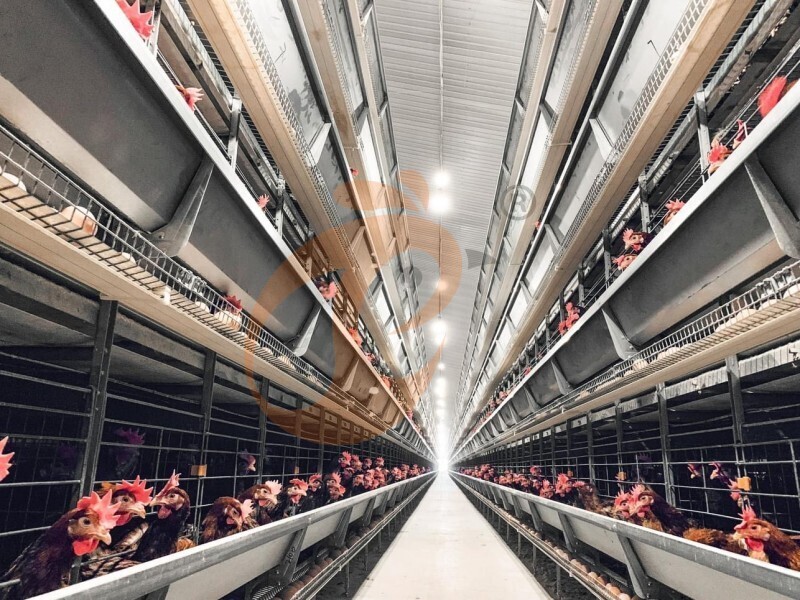
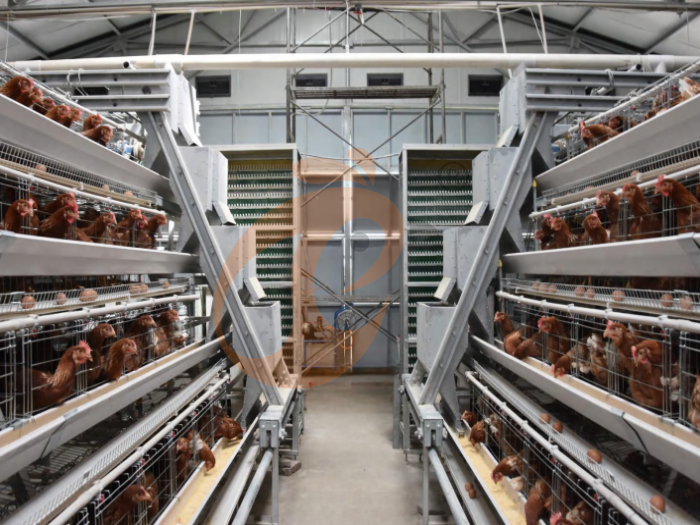
A type poultry cage systems provide structured layer housing with configurable tiers, galvanized components, and integrated feeding and drinking interfaces for commercial farm projects.
Global factory direct sales connect production, engineering drawings, equipment configuration, quality inspection, and international shipment through one technical supply chain.
Poultry equipment packages combine cages, feeding, drinking, egg collection, manure removal, ventilation coordination, and project-specific installation documentation.
Turn-key engineering covers house planning, equipment selection, manufacturing, installation guidance, commissioning procedures, and operational handover for complete poultry projects.
International project support coordinates technical specifications, export packaging, spare parts, and engineering communication for farms requiring standardized equipment procurement.
Contact Us To Received Your Customized Poultry Farm Plan
Headquarters And Branchs
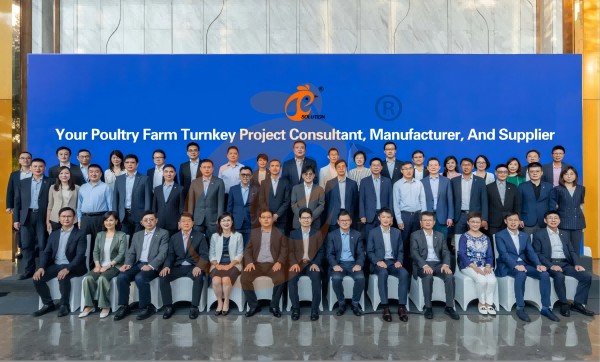
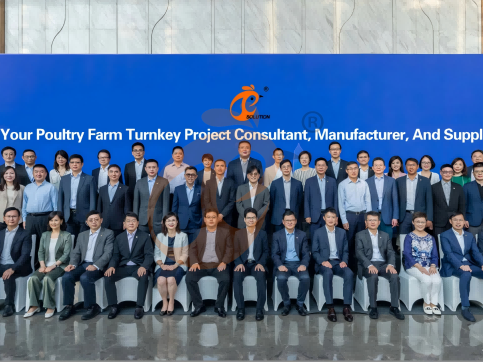
Hong Kong Headquarter Management Team
Hong Kong Headquarter Taiyu Industrial Group CO., LTD
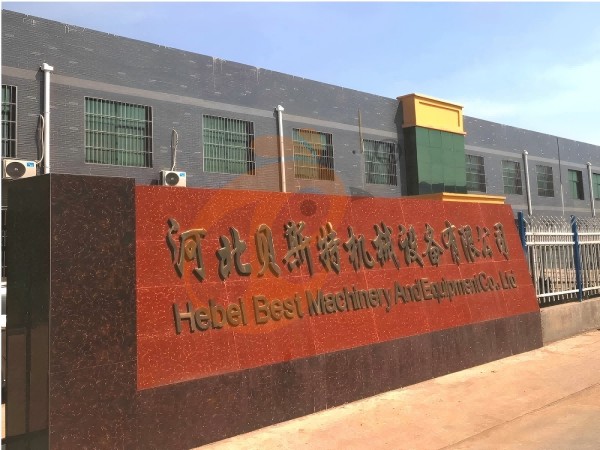
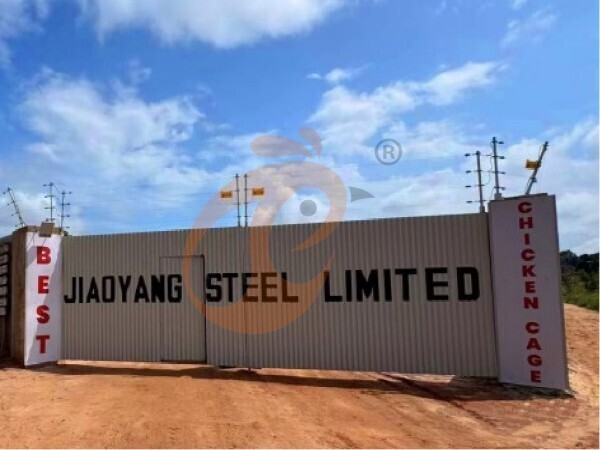
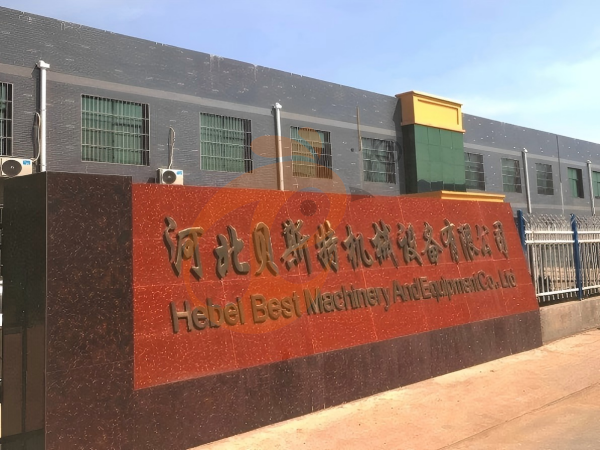
China Hebei Best Machinery And Equipment CO., LTD
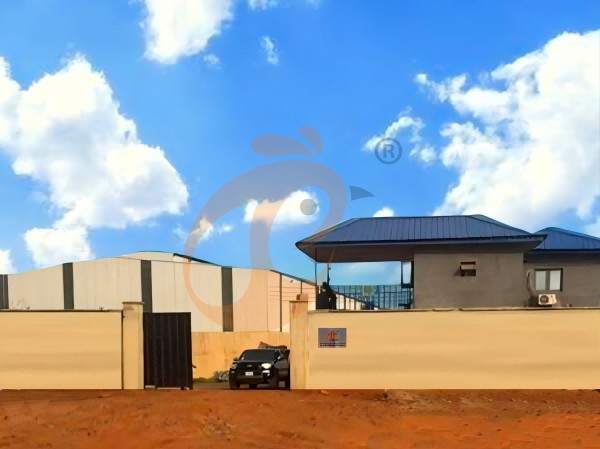
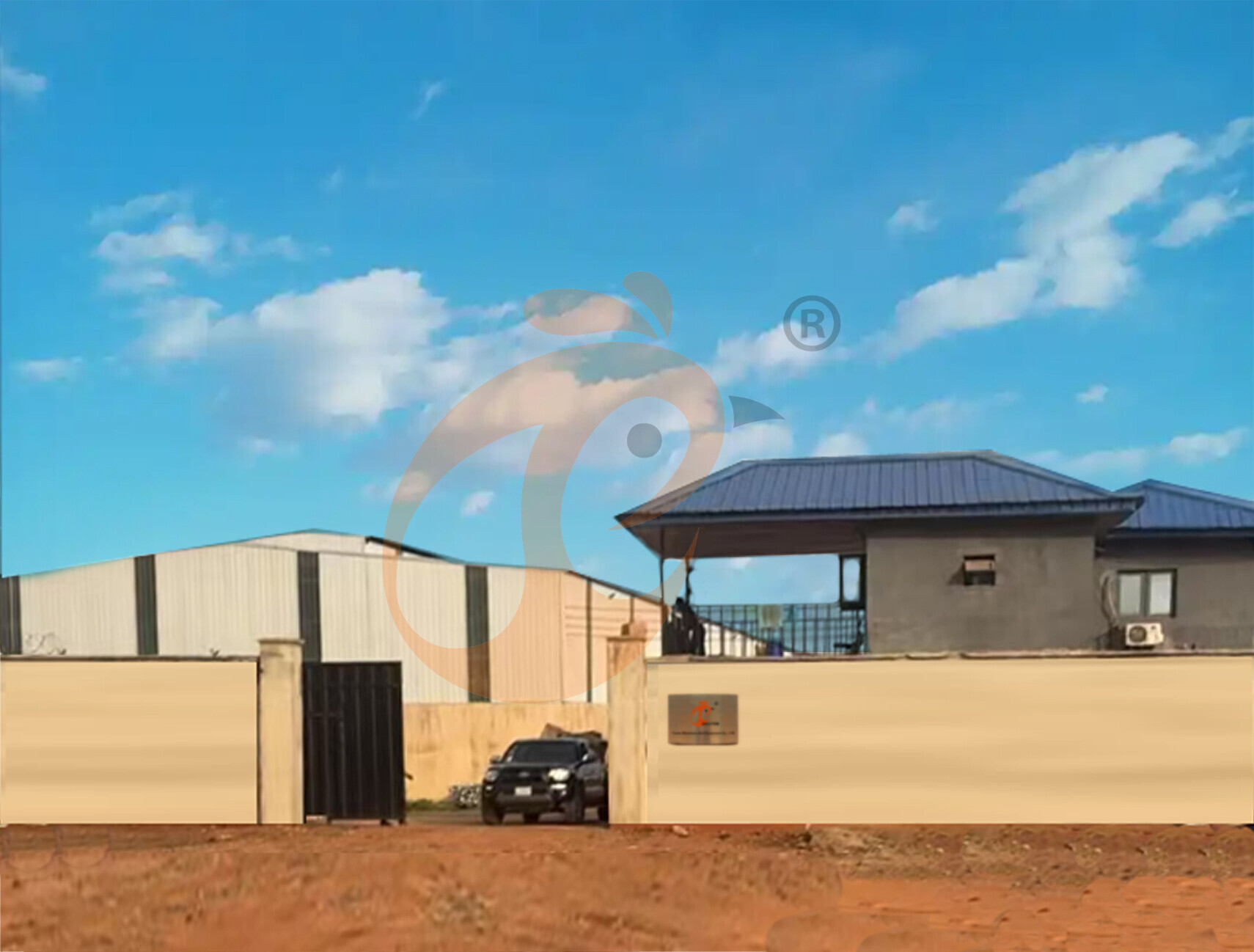
Nigeria Vanke Machinery And Equipment CO., LTD
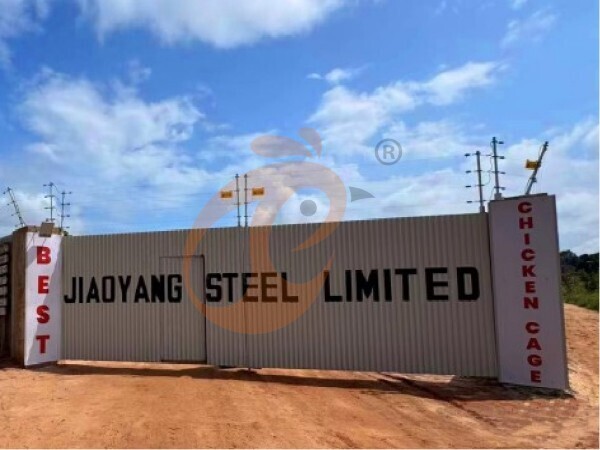
Tanzania Best Machinery And Equipment CO., LTD
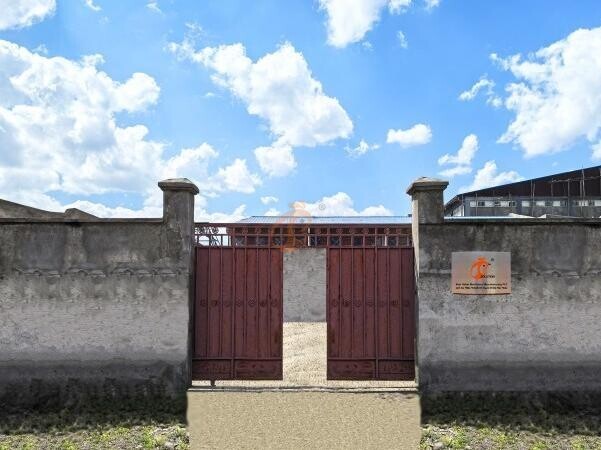
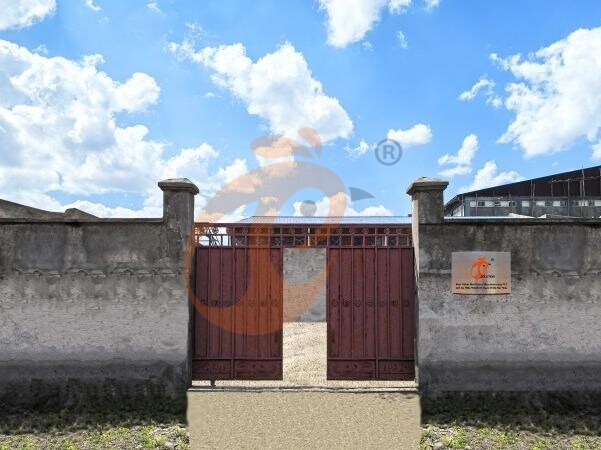
Ethiopia Best Hebei Machinery Manufacturing PLC
Reception /24 WhatsApp NO. : +8618830120193
Perguntas frequentes
- poultry equipment
- chicken cage
- layer cage
- poultry farm
- feeding equipment
- poultry farm
- poultry cage
- poultry cage manufacturer
- automatic feeding system
- poultry equipment manufacturer
- poultry house
- poultry house layout
- poultry cage system
- chicken cage system
- poultry cage supplier
- Ethiopia
- Nigeria
- poultry farm construction
- poultry cage quotation
- chicken cage project
- poultry equipment factory
- produção de gaiolas para frangos
Mensagem
Produtos recomendados
 Sede em HK Oferece Soluções para Avicultura em Conformidade com Padrões da UE, Fabrica Equipamentos para Avicultura1. Comunicação contínua com a UE e os EUA
2. Filiais e fábricas na China, Nigéria, Etiópia e Tanzânia
3. A qualidade dos produtos é personalizada para aviários locais
4. Estoque de gaiolas para aves e equipamentos para aviários à venda
5. Atendimento online 24 horas por dia Whatsapp NO. : +8618830120193,contate-nos para obter informações completasLeia mais Filial chinesa oferece plano de negócios para avicultura e fabrica equipamentos para avicultura1. Endereço: Flat/RM 2416, 24/F, Edifício Runxing, Rua Youyi Nan, Cidade de Shijiazhuang, Província de Hebei, China
2. Fábrica de equipamentos para aviários e gaiolas para aves e estoque à venda
3. Personalizado para aviários locais
4. Qualidade e design baseados no padrão europeu
5. Atendimento online 24 horas por dia no Whatsapp NO.: +8618830120193Leia mais Filial da Nigéria Oferece Plano de Negócios para Avicultura, Fabrica Equipamentos para Avicultura1. Endereço: Após o Escritório Sinoma, 200 Metros Perto do Posto de Combustível Danco, Rodovia Lagos/Ibadan, Estado de Lagos, Nigéria
2. Fábrica de equipamentos para aviários e gaiolas para aves e estoque à venda
3. Personalizado para aviários nigerianos
4. Qualidade e design baseados no padrão europeu
5. Atendimento online 24 horas Whatsapp NO.: +8618830120193Leia mais Plano de negócios para uma granja avícola na filial da Etiópia, fabricação de equipamentos para granjas avícolas1. Endereço: Gelan Gura, Subcidade de Akaki-Kaliti, Adis Abeba, Etiópia
2. Gaiolas para aves e equipamentos para granjas avícolas em estoque para venda
3. Personalizado para granjas avícolas etíopes
4. Qualidade e design baseados no padrão Euro
5. Atendimento online 24 horas. WhatsApp: +8618830120193. Entre em contato conosco para obter a lista de preçosLeia mais Filial da Tanzânia Oferece Plano de Negócios para Fazenda Avícola, Fabrica Equipamentos para Fazenda Avícola1. Endereço: No.8, Sova Road, Msufini, Mlandizi, Kibaha, Pwani, Tanzânia
2. Fábrica de equipamentos para aviários e gaiolas para aves e estoque à venda
3. Personalizado para aviários na Tanzânia
4. Qualidade e design baseados no padrão europeu
5. Atendimento online 24 horas Whatsapp NO. : +8618830120193Leia mais Gaiola Automática para Galinhas Poedeiras Tipo H1. 30.000-100.000+ galinhas/galpão escolhem, Avicultores podem alcançar uma taxa de postura de 96-98%
2. Uma melhoria significativa em relação aos 85-90% normalmente vistos em sistemas manuais
3. Um aviário típico pode esperar uma redução de 30-40% nos custos de mão de obra devido à automação
4. Cada linha de alimentação fornece ração eficientemente para cerca de 100.000 galinhas a cada 30 minutos
5. Número de Recepção /WhatsApp: +8618830120193Leia mais Gaiola para galinhas poedeiras tipo A totalmente automática1. 10.000-50.000 poedeiras/galpão escolhe isso
2. Coleta de ovos mais limpa reduz quebra em 0,5%
3. Higiene melhorada ajuda a reduzir taxa de mortalidade para <3%
4. 1–2 técnicos podem lidar com 15.000–30.000 aves
5. Recepção/WhatsApp NO.: +8618830120193Leia mais Gaiola semi-automática tipo H para galinhas poedeiras1. 1,00-20,000 galinhas/galpão escolhe isto
2. Bebedouros de bico com fluxo de 30-60 ML/min
3. Galvanização por imersão a quente (revestimento típico ≥ 275 g/m²)
4. Reduz amônia em ~ 35-40%
5. Recepção /WhatsApp NO. : +8618830120193Leia mais Gaiola Semi-Automática Tipo A para Galinhas Poedeiras1. Ideal para 1.000 a 20.000 galinhas poedeiras por galpão; sem ferrugem por 10 anos, sem deformação por 15 anos. 2. As galinhas vivem confortavelmente, você pode criá-las com tranquilidade. 3. Economize água, economize dinheiro — eficiência que você pode medir. 4. Melhore a qualidade do ambiente e aumente a taxa de produção de ovos. 5. Recepção/WhatsApp: +8618830120193Leia mais
Ao clicar em 'Permitir Todos', você concorda com o armazenamento de cookies no seu dispositivo para melhorar a navegação no site, analisar o uso do site e auxiliar nossos esforços de marketing.